Unveiling Our Superior Nicotine Pouch Manufacturing Process
Why Our Nicotine Pouch Manufacturing Stands Apart: Advanced Production Methods and Rigorous Quality Assurance
Turning a nicotine pouch idea into a compliant, shelf-ready product — fast and reliably — is what separates winning brands from the rest. This article explains how advanced production technology, pharma-grade manufacturing, and strict quality controls work together to shorten time-to-market, ensure consistent nicotine delivery, and produce retailer-ready packaging. You’ll read how precision engineering, formulation choices (dry and semi‑moist pouches), regulatory support (FDA PMTA and EU TPD3), scalable production paths, private‑label services, and sustainability measures combine to give brands a clear competitive advantage. We also address common pain points — inconsistent dosing, long regulatory timelines, fragile supply chains — with concrete process descriptions and examples showing how standardised controls avoid costly rework. The sections that follow cover quality frameworks, formulation approaches, regulatory support, scalability and logistics, private‑label collaboration, and environmental practices, each offering practical takeaways for brands evaluating contract manufacturers.
How Does Nicopack Ensure Superior Quality Control in Nicotine Pouch Production?
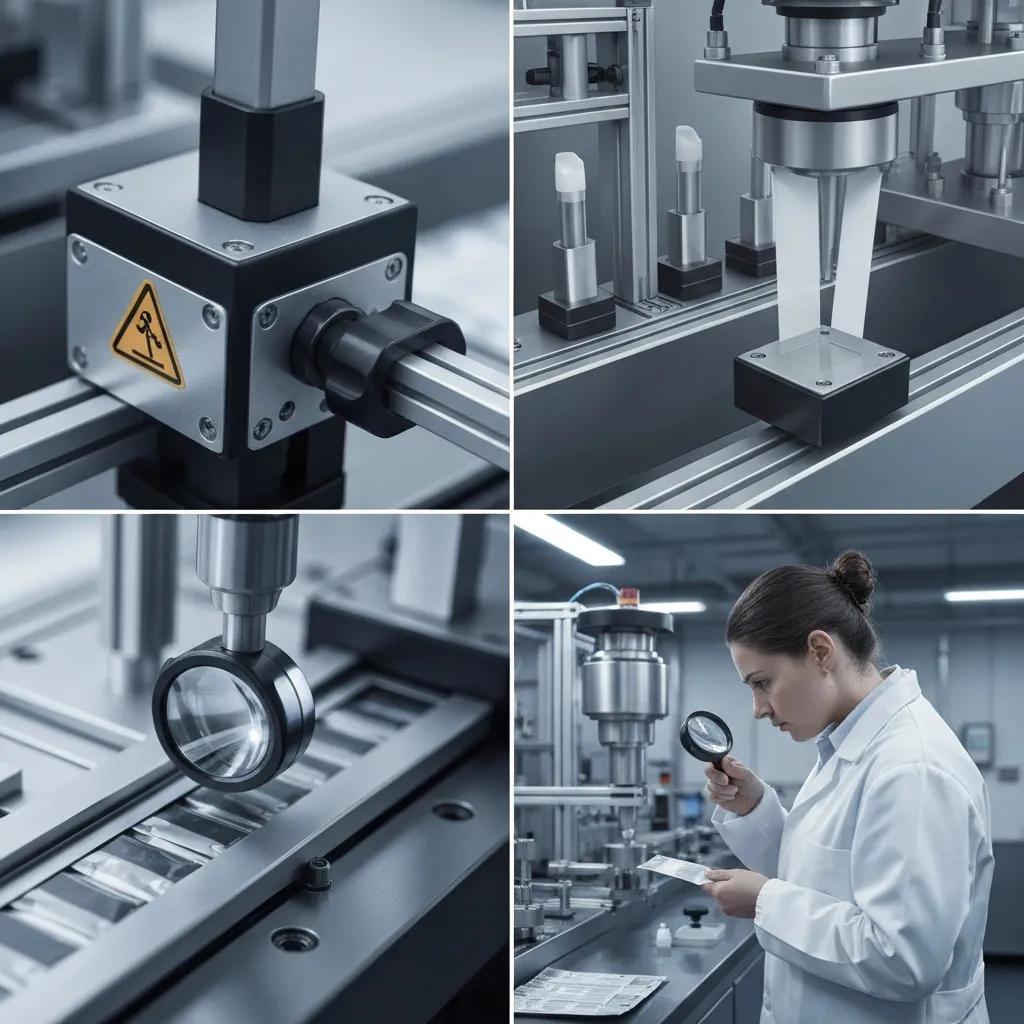
Quality control for nicotine pouches is a pharma‑grade, multi‑stage system designed to prevent variation and preserve regulatory traceability. We use in‑line sensors, automated process control and batch‑level traceability to spot deviations during mixing, pouch filling, sealing and packaging — guaranteeing consistent nicotine delivery and product safety. This QA approach reduces recall risk and shortens the data collection needed for regulatory filings, helping brands reach shelves sooner. Below we outline the engineering standards and ingredient controls that make this QA model effective across pilot and full‑scale production, followed by a practical checklist of QA steps you can expect.
Our QA pipeline combines incoming material inspection, controlled in‑process monitoring, finished‑goods testing and third‑party verification, with documented corrective actions that close quality loops and drive continuous improvement. That system‑level discipline produces measurable results in batch uniformity and regulatory readiness, which ties directly into the precision engineering controls that enable reliable, real‑time production.
This QA framework follows sequential checkpoints that protect product safety and consistency:
- Incoming Material Verification: Suppliers are qualified and Certificates of Analysis are validated before materials are released to production.
- In-Process Monitoring: Real‑time sensors monitor moisture, fill weight and sealing temperatures throughout pouch formation.
- Finished-Goods Testing: Each lot is tested for nicotine potency, moisture and packaging integrity before release.
- Third-Party Validation: Independent labs perform confirmatory analyses used in regulatory dossiers and for retailer acceptance.
These checkpoints reduce rework, secure potency, and create a documented compliance trail that supports PMTA/TPD3 submissions and retailer confidence.
The table above maps QC checkpoints to measured attributes and their frequency, showing how automation reduces manual checks and where third‑party testing strengthens regulatory submissions. Keeping these checkpoints in place enables faster root‑cause analysis and corrective action, which shortens time‑to‑shelf and limits supply interruptions.
What Precision Engineering Standards Set Nicopack Apart?
Precision engineering in pouch production combines calibrated dosing, repeatable sealing and automated material handling to hold tight tolerances across runs. Sophisticated dosing pumps and gravimetric fillers keep nicotine and excipient weights within spec, while servo‑driven pouch formers and heat‑seal stations deliver consistent seal integrity and pouch shape. Regular calibration, documented verification checks and PLC‑based process control preserve tolerances and feed electronic batch records. Real‑time sensors trigger alarms and automatic adjustments that minimise human error and speed changeovers — supporting both small pilot series and high‑volume campaigns. These engineering controls cut variability and feed directly into ingredient management and batch consistency systems.
How Are Ingredient Purity and Batch Consistency Maintained?
Purity and consistency start with supplier qualification and extend through standardised batch records and stability testing to confirm long‑term uniformity. Supplier audits and Certificate of Analysis checks ensure incoming nicotine, excipients and flavours meet spec; every material is assigned lot traceability linking formulation records to finished pouches. During production, validated blending protocols, controlled mixing cycles and homogeneity sampling confirm even nicotine distribution before pouch filling. Stability studies monitor moisture migration and potency drift under defined conditions so brands understand expected shelf behaviour. If deviations occur, documented CAPA procedures guide root‑cause analysis and corrective steps, protecting brand integrity and limiting launch delays.
What Innovative Nicotine Pouch Formulation Techniques Drive Our Competitive Edge?
Formulation is where product performance is decided: nicotine release profile, mouthfeel, shelf life and flavour stability determine commercial success. We develop both dry and semi‑moist nicotine pouches tailored for target delivery, controlled moisture and desirable sensory properties. Our R&D team uses lab‑scale prototypes, sensory panels and analytical verification to dial in strength titration and flavour stability. The sections below cover flavour and strength development plus the high‑performance, sustainable materials we use for pouches and packaging.
Formulation work blends sensory science and analytical chemistry to keep flavour compounds stable and nicotine bioavailable without compromising shelf life. This iterative, data‑driven approach shortens development cycles while keeping regulatory documentation clear.
The formulation process focuses on three innovation areas:
- Nicotine delivery optimisation that balances release rate with perceived strength.
- Flavour matrix engineering that preserves aroma and taste across storage conditions.
- Advanced pouch substrates that offer moisture barrier and tactile performance while enabling sustainability choices.
This comparison highlights key attributes and target values for each format, helping brands choose the delivery profile that best matches consumer expectations. Selecting dry versus semi‑moist involves trade‑offs in sensory experience and shelf stability; the table clarifies those differences so decisions are informed.
How Does Nicopack Develop Custom Flavors and Strengths?
Custom flavour and strength work begins in our R&D lab with ideation, small‑batch prototyping and sensory panels to validate consumer attributes. Concept blends are analysed for volatility and stability, then refined through iterative sensory testing using objective scoring to balance sweetness, acidity and aromatic notes. Strength titration is confirmed analytically so nicotine per pouch matches target mg levels and label claims. Our development pathway pairs rapid prototyping with controlled scale‑up so brands move from concept to pilot samples quickly while retaining full regulatory documentation. That structure shortens iteration loops and supports the speed‑to‑market metrics brands value.
What Sustainable and Advanced Materials Are Used in Our Pouches?
Material selection balances barrier performance with environmental impact. We offer a range of pouch substrates and packaging formats that balance durability, shelf life and sustainability. Options include conventional barrier films for maximum moisture control, recyclable‑compatible laminates for certain markets, and emerging biodegradable pouch materials for brands prioritising end‑of‑life impact. Trade‑offs are explicit: higher biodegradability can reduce moisture barrier performance, so formulation adjustments compensate for shelf‑life effects. Packaging choices extend to carton materials and recycled‑content options, helping brands align claims with measurable material attributes. We finalise material choices through a collaborative process that evaluates performance, certification potential and supply reliability.
How Does Nicopack Navigate Complex Regulatory Compliance for Nicotine Pouch Manufacturing?
Regulatory support is central to what we do: manufacturers must provide the chemistry, manufacturing and control (CMC) data, stability studies and manufacturing descriptions regulators require for market authorisation. We help brands by producing documentation that supports FDA PMTA and EU TPD3 submissions — including process descriptions, batch records and analytical data. This integrated compliance support reduces the time brands spend assembling dossiers and helps avoid gaps that could delay market access. The subsections below list key PMTA/TPD3 deliverables and explain how solid compliance work improves retail acceptance and consumer confidence.
The manufacturer’s role in regulatory submissions is data generation and documentation provision that demonstrate consistent manufacturing, validated analytical methods and stability under defined storage conditions. Those contributions are essential to market access and underpin product claims and distribution.
Key regulatory activities often include:
- CMC Documentation: Detailed manufacturing process descriptions and validated analytical methods.
- Stability Data: Shelf‑life studies and accelerated testing.
- Third-Party Analyses: Independent labs confirming potency and impurities.
Clear CMC packages and supportive analytics speed review timelines and strengthen a brand’s market‑readiness case.
This mapping links regulatory activities to the deliverables brands need and clarifies Nicopack’s role in producing supporting data. By owning core CMC and testing tasks, we let brands focus on market strategy and retailer engagement. Compliance not only enables entry but also builds the record retailers and distributors require.
What Are the Key FDA PMTA and EU TPD3 Compliance Processes?
PMTA and TPD3 require structured data packages that document a product’s chemistry, manufacturing controls, toxicology context and proposed marketing claims. The manufacturer supplies process flow diagrams, validated analytical methods for nicotine and impurities, stability data and batch records that support CMC narratives. For PMTA, coordinated submission timelines and clear documentation of manufacturing controls can reduce review cycles; for TPD3, accurate product notifications and technical files ensure correct market classification. Working with a manufacturer experienced in these requirements reduces regulator back‑and‑forth and helps brands prepare robust dossiers — speeding shelf entry and boosting commercial confidence.
How Does Regulatory Compliance Enhance Market Access and Brand Confidence?
Regulatory compliance delivers real commercial benefits: retailers favour products with documented manufacturing controls and third‑party verification because they reduce liability and shelf risk. Consumers gain confidence from transparent testing and consistent performance, which supports repeat purchases and loyalty. For brands, regulatory‑ready documentation shortens distributor onboarding and eases entry into multiple markets via harmonised technical files. Demonstrating compliance also mitigates legal risk and makes geographic expansion more predictable, supporting long‑term planning and investment.
How Does Nicopack Provide Scalable Production Solutions for Brands of All Sizes?
Scalable production combines modular manufacturing, pilot‑to‑scale pathways and flexible supply strategies so brands can grow without changing partners. We operate pharma‑grade facilities across Europe, the UK and the USA and configure lines to move from prototype batches to high‑volume runs with minimal changeover overhead. Flexible pouch types, strengths and flavour SKUs can be scheduled across redundant lines to keep supply steady during peak demand. Supply‑chain practices such as contingency sourcing and inventory strategies further reduce raw‑material shortage risk. The subsection below details line capacities and logistics strategies that support global distribution.
Line modularity and predictable throughput enable controlled scale‑up: validated pilot recipes become production SOPs, and tooling changeovers are managed to minimise downtime while preserving quality records. This operational repeatability shortens lead times and ensures reliable deliveries to retail partners.
Representative scalability features include:
- Pilot batches for product validation and regulatory sample generation.
- Modular lines for small runs and high‑volume production.
- Redundant capacity to ensure continuity during peak demand.
Contact us to turn your brand idea into a product designed and manufactured by Nicopack.
What Production Capacities and Flexible Manufacturing Lines Are Available?
Our options include validated pilot‑line batches, configurable mid‑level runs and high‑throughput lines built for continuous operation. Tooling and pouch format changeovers are engineered for speed, with documented protocols that protect product specifications and minimise cross‑contamination risk. Multiple pouch formats and strengths can run concurrently on separate lines to support multi‑SKU launches, and line redundancy protects supply during scheduled maintenance. These capacity layers let brands move from regional launches to national scale without requalifying manufacturing partners — accelerating distribution planning and inventory forecasting.
How Is Supply Chain Management Optimized for Global Distribution?
We optimise supply chains using regional supplier networks, strategic inventory programs and logistics partners to shorten lead times for Europe, the UK and the US. Inventory approaches such as consignment or kanban can be configured to match a brand’s sales cadence and reduce working capital. Contingency sourcing and supplier qualification protocols ensure alternate material routes if a primary source is disrupted. We also support market‑specific labelling and customs documentation to smooth cross‑border shipments and speed retailer onboarding. Together, these practices lower the operational friction of international launches and support predictable replenishment cycles.
Why Choose Nicopack for Customization and Private Label Nicotine Pouch Manufacturing?
Choosing a contract manufacturer comes down to speed, compliance support and turnkey services that move a brand from concept to shelf‑ready product efficiently. Nicopack acts as a global partner for brands of every size, offering turnkey private‑label solutions with in‑house design, flexible formulations and regulatory support. Our turnkey services include packaging mockups, co‑development workflows with iterative prototyping, and production‑ready SKUs configured for retailer requirements. The checklist below summarises what brands can expect from private‑label collaboration.
Private‑label partnerships combine R&D, regulatory and manufacturing capabilities so brands keep creative control while relying on validated production and compliance processes. This integrated model speeds time‑to‑market and simplifies operations for both emerging and established brands.
Private label deliverables typically include:
- Concept-to-shelf project management covering prototyping, packaging and production scheduling.
- In-house design and POS support for brand identity and retailer presentation.
- Regulatory-ready dossiers and batch documentation to expedite market entry.
Contact us to turn your brand idea into a product designed and manufactured by Nicopack.
How Does Nicopack Collaborate with Brands for Unique Product Development?
Collaboration follows clear stages: brief capture and ideation, formulation prototypes and sensory testing, pilot production and analytical verification, then scale‑up and launch planning. Intellectual property and confidentiality are protected by contract, and decision gates at each stage require sample approvals and documented release criteria. Feedback loops that include sensory panels, analytical data and regulatory checklists ensure iterations are based on evidence, not guesswork. This structured approach reduces uncertainty and aligns product features with target consumers and retailer specifications, setting the stage for successful market introduction.
What Private Label Solutions Support Brand Identity and Market Success?
Our private‑label services cover custom formulations, bespoke packaging, SKU management and merchandising support to help brands stand out on shelf. Design services translate brand identity into retail‑ready packaging, while operational support can extend to fulfilment and SKU‑level inventory management where needed. Merchandising mockups and POS materials give retailers the visual assets they need to evaluate listings. Working with a single, experienced partner streamlines communication and preserves consistency across product batches.
What Sustainable Practices Make Nicopack’s Nicotine Pouch Manufacturing Environmentally Responsible?
Sustainability in pouch production covers material choice, in‑plant waste reduction, energy efficiency and supplier ethics, balancing environmental gains with product performance. We evaluate pouch substrates and packaging formats for recyclability and biodegradability while protecting moisture barrier and shelf‑life requirements. On‑site waste programmes and supplier collaboration reduce material loss and improve sourcing transparency. The section below outlines packaging waste strategies and energy and ethical sourcing measures that help brands make credible sustainability claims without sacrificing product stability.
Material trade‑offs are unavoidable: increased biodegradability can affect barrier properties, so sustainability measures are paired with formulation and packaging adjustments to preserve shelf life. This integrated approach yields practical sustainability improvements without compromising the consumer experience.
Sustainability efforts typically concentrate on three vectors:
- Eco-friendly packaging choices that reduce plastic use and increase recycled content.
- On-site waste reduction through material reuse and recycling programmes.
- Supplier sustainability requirements to ensure responsible sourcing practices.
How Does Nicopack Implement Eco-Friendly Packaging and Waste Reduction?
We implement eco‑friendly packaging via careful material selection, fewer packaging layers and supplier partnerships to source recycled or lower‑impact substrates. In‑plant programmes capture process scrap for recycling, optimise line speeds to reduce rejects and segregate waste streams for higher recovery. Packaging design favours fewer materials and recyclable cartons where local infrastructure supports recycling, and performance testing ensures barrier reductions do not compromise product integrity. Supplier trials and shared lifecycle data drive continuous improvement and measurable waste reductions.
What Energy Efficiency and Ethical Sourcing Measures Are in Place?
Energy efficiency measures include process monitoring, LED and motor upgrades, demand‑response scheduling and continuous improvement projects that reduce energy per unit. Procurement runs supplier audits and enforces codes of conduct to ensure ethical practices and traceability for critical inputs such as nicotine and major excipients. Reporting frameworks track progress and guide investments in renewables or efficiency projects. These initiatives lower operational footprint and strengthen the sustainability story brands can present to consumers and retail partners.
Contact us to turn your brand idea into a product designed and manufactured by Nicopack.
Frequently Asked Questions
What are the benefits of using semi-moist nicotine pouches compared to dry pouches?
Semi‑moist pouches deliver a softer mouthfeel and a more controlled nicotine release than dry pouches. With a moisture content of 10–18%, they provide a smoother experience and often better flavour longevity, which can appeal to users who prefer a less abrasive texture. Brands choose between formats based on target consumer preferences and product performance, weighing trade‑offs like shelf life and sensory profile.
How does Nicopack ensure compliance with international regulations for nicotine pouches?
We support brands through complex international regulations by preparing the necessary documentation for FDA PMTA and EU TPD3 submissions. That includes CMC data, stability studies and third‑party testing results. By producing and organising these regulatory dossiers, Nicopack helps streamline approvals and ensures products meet compliance standards for market entry, reducing delays and reinforcing retailer and consumer confidence in product safety.
What role does sustainability play in Nicopack’s manufacturing processes?
Sustainability is central to our operations, influencing material choices, waste reduction and energy efficiency. We assess packaging for recyclability and biodegradability while ensuring performance standards are met. On‑site waste programmes aim to minimise material loss and supplier collaborations improve sourcing transparency. By integrating sustainable practices, we help brands make credible environmental claims without compromising product quality, responding to rising consumer demand for lower‑impact products.
How does Nicopack support brands in developing unique flavors for their nicotine pouches?
Our structured flavour development process starts with idea generation and small‑batch prototyping in the R&D lab. Sensory testing and analytical verification refine flavour profiles for stability and consumer appeal. This iterative approach moves brands from concept to pilot samples quickly while maintaining regulatory documentation, enabling distinctive flavours that resonate with target audiences and strengthen market differentiation.
What are the advantages of partnering with Nicopack for private label nicotine pouch manufacturing?
Partnering with Nicopack for private label manufacturing gives brands an end‑to‑end solution including R&D, regulatory support and turnkey production. This lets brands retain creative control while benefiting from our compliance expertise and validated processes. Deliverables such as concept development, design services and regulatory‑ready documentation speed time‑to‑shelf and reduce operational complexity, supporting stronger brand identity and market success.
How does Nicopack ensure ingredient purity and batch consistency in production?
We ensure ingredient purity and batch consistency through rigorous supplier qualification and standardised batch records. Every incoming material is checked, including Certificate of Analysis verification, to confirm it meets specifications. Validated mixing cycles and homogeneity sampling ensure even nicotine distribution, while stability studies monitor product integrity over time. Documented corrective actions address any deviations, ensuring brands receive consistent, high‑quality products that meet regulatory and consumer expectations.
**